xPON vs EPON and GPON : understanding PON convergence

Contents
With the coexistence of the EPON (IEEE) and GPON (ITU-T) standards in FTTH deployments worldwide, the xPON solution emerged : equipment that is compatible with both standards simultaneously, capable of switching automatically depending on the OLT it connects to.
This guide explains how xPON works, its advantages for EPON → GPON migration, and its typical use cases (multi-vendor campuses, operators in transition).
What is xPON ?
xPON is a technological fusion between EPON and GPON, at both the hardware and software level. In practice, an xPON device :
- Supports GPON bit rates (reference : 2.488/1.244 Gbps) and EPON (1.25 Gbps symmetrical)
- Implements GPON GEM encapsulation and native EPON Ethernet
- Automatically detects the standard of the OLT it faces
- Switches to the appropriate mode in a few seconds
The xPON ONU is the ideal solution for multi-vendor deployments or operators gradually migrating their EPON fleet to GPON without changing the subscriber-side ONUs at each step.
How does xPON work ?
The auto-detection mechanism is simple :
- When an xPON ONU starts up, it first tries to align with the current mode (GPON by default)
- The OLT sends its signaling packets (GEM or Ethernet)
- If the ONU cannot decode them, it switches to the alternative mode
- Once the connection is established, it remembers the mode for subsequent restarts
The full switchover typically takes 10-30 seconds. No manual configuration is needed — it is completely transparent for the installer and the user.
Advantages of xPON
1. Operational versatility
A single ONU part number covers both EPON and GPON deployments. It simplifies logistics for operators, integrators and installers.
2. Easier EPON → GPON migration
Operators that historically deployed EPON can migrate to GPON in stages. The xPON ONUs installed at subscribers continue to work during and after the OLT migration — without intervention in each home.
3. Multi-vendor compatibility
For university campuses, hotels, residential estates with changing or multi-vendor OLTs, the xPON ONU adapts automatically.
4. Protected investment
Installing xPON today = covering future needs without the risk of replacement. Particularly attractive for multi-year projects.
5. Unified management platform
A single management console for both types of network. It reduces operational complexity and training costs.
xPON vs EPON vs GPON : comparison
| Criterion | EPON | GPON | xPON |
|---|---|---|---|
| Standard | IEEE 802.3ah | ITU-T G.984 | EPON + GPON |
| DL bit rate | 1.25 Gbps | 2.488 Gbps | Auto (max GPON) |
| UL bit rate | 1.25 Gbps | 1.244 Gbps | Auto |
| Encapsulation | Native Ethernet | GEM | Both |
| QoS | 802.1p | DBA, T-CONT | According to active mode |
| ONU cost | € | €€ | €€-€€€ |
| OLT versatility | EPON only | GPON only | Both |
| Use case | Asia, alternatives | Europe, USA | Migration, multi-vendor |
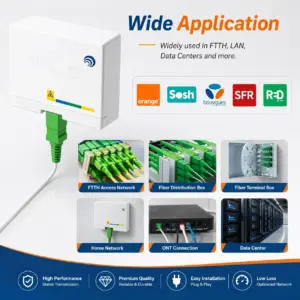
xPON applications
Available xPON ONUs
- 1GE xPON ONU : 1 Gigabit Ethernet port, base model
- 1GE WiFi xPON ONU : + integrated WiFi 4/5/6
- 4GE xPON ONU : 4 Gigabit ports + optional WiFi
- 4GE PoE xPON ONU : PoE ports for IP cameras/WiFi APs
- xPON Outdoor : rugged -40°C/+70°C for outdoor installation
Typical use cases
- Operator in EPON → GPON transition : avoid replacing the subscriber-side ONUs
- Multi-building university campus : legacy GPON and EPON equipment coexist
- Hospitality / campsites : gradual renovation of the network infrastructure
- Multi-market distributor : a single part number covers the European (GPON) and Asian (EPON) markets
- Integration lab / after-sales : test ONUs on different OLTs without specific hardware
xPON-compatible Elfcam components
- PLC splitters 1×4, 1×8, 1×16, 1×32, 1×64 — passive, compatible with all PON
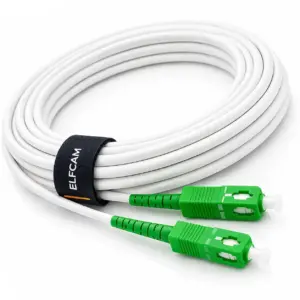
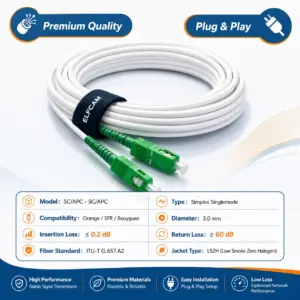
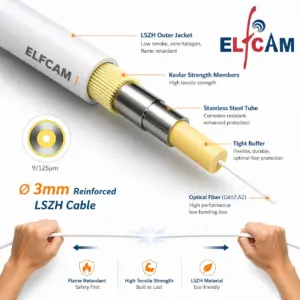
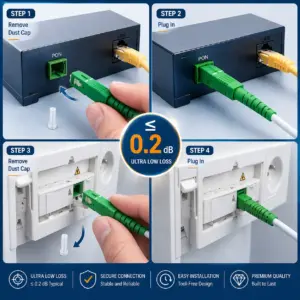
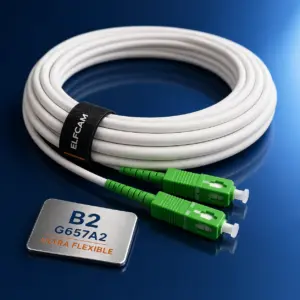
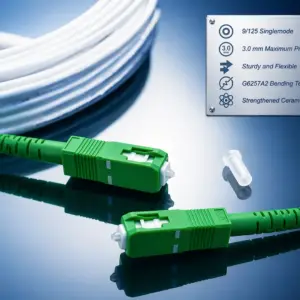
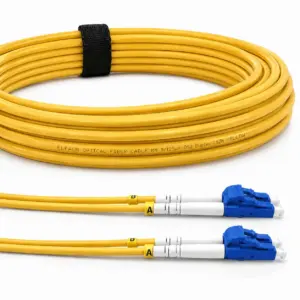
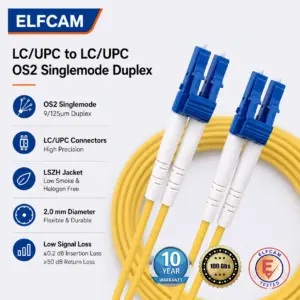
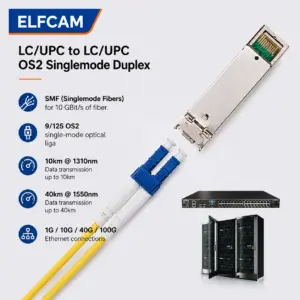
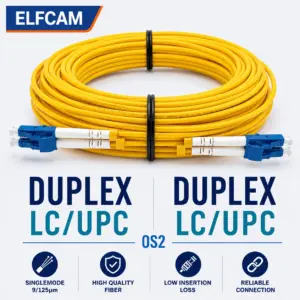
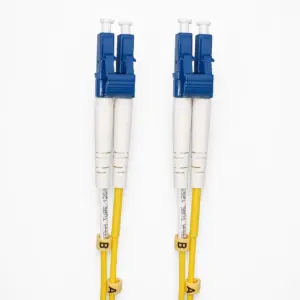
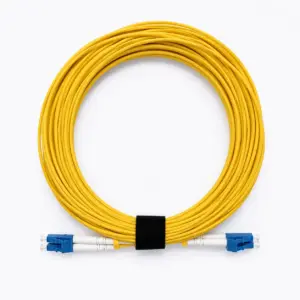
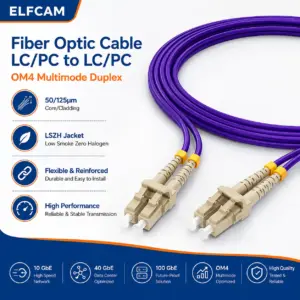
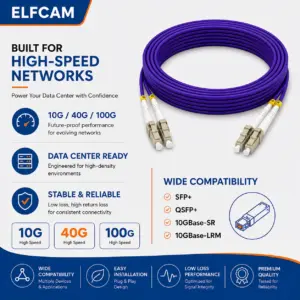
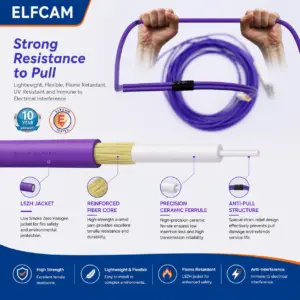
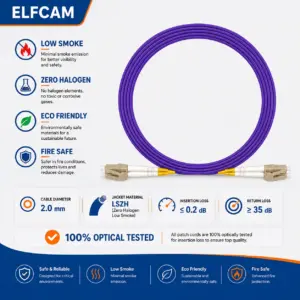
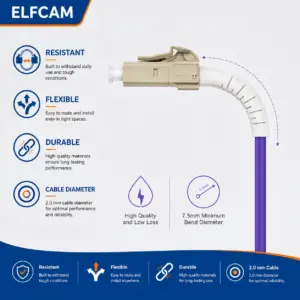
- OS2 fiber cables and SC/APC patch cords
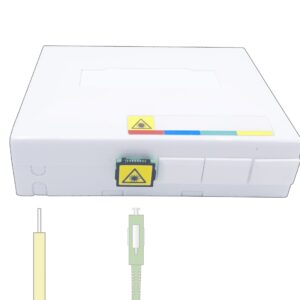
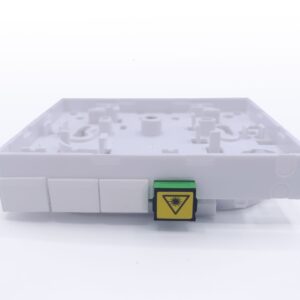
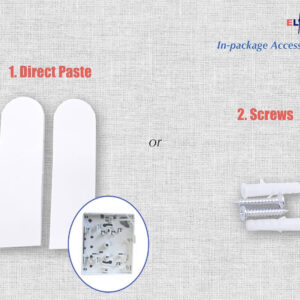
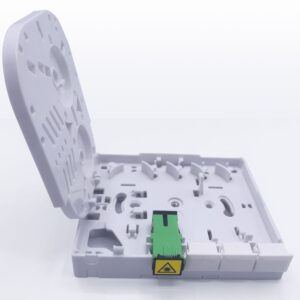
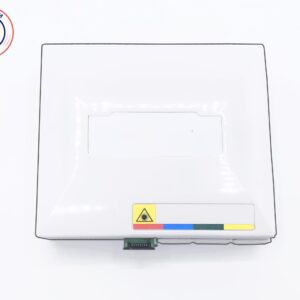
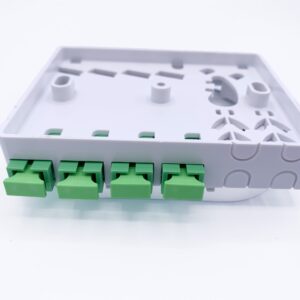
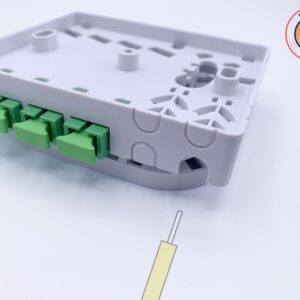
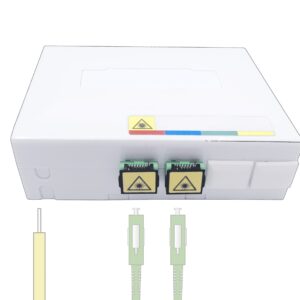
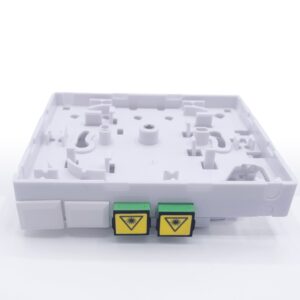
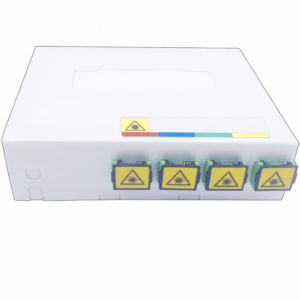
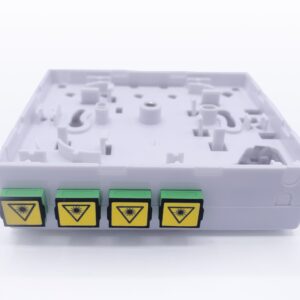
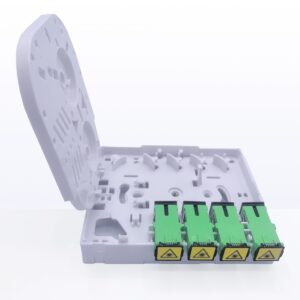
- PTO on the subscriber side
- SFP+/SFP28 modules for OLT uplink




FAQ — xPON
1Is the xPON ONU more expensive than a dedicated ONU ?
- Unified stock (simplified logistics)
- Future migrations (no need to replace)
- Multi-vendor deployments
2How long does the EPON ↔ GPON switchover take ?
3Does xPON also support 10G-EPON and XGS-PON ?
4What is the difference with a "Combo PON" ONU ?
Combo PON : a term sometimes used for OLTs supporting GPON + XGS-PON on the same port (two generations of the same ITU-T standard in WDM). Do not confuse : xPON is cross-standard, Combo PON is cross-generation.
5Can the xPON ONU disrupt the OLT ?
6Is xPON an official standard ?
7Are my PLC splitters compatible with xPON ?
8Where to buy xPON ONUs and compatible splitters ?
In summary
xPON is a versatile solution that supports EPON and GPON simultaneously, with automatic switchover. Ideal for : gradual EPON → GPON migration, multi-vendor deployments, multi-market distributors. The moderate premium (10-20%) is largely justified for these use cases.
For passive components compatible with all PON (splitters, patch cords, PTO), see our Elfcam PLC range.